

Detroit, Michigan is the largest city in the state and the county seat of Wayne County, with a population of 639,111 (2020 U.S. Census) across 139 square miles. The Detroit-Warren-Dearborn metropolitan area is home to over 4 million residents and serves as headquarters for 17 Fortune 500 companies, including the Big Three automakers — General Motors, Ford, and Stellantis. This concentration of corporate operations, manufacturing facilities, and logistics infrastructure makes Detroit a high-priority location for enterprise security teams. Base Operations assigns Detroit a BaseScore of 52/100 (Tier 3: Moderate), with 19,491 total threat incidents recorded across the city in 2025.
Violent Crimes in Detroit, Michigan — 2025 Overview
Detroit recorded 6,294 violent crime incidents in 2025, representing 32.3% of the city's 19,491 total incidents. The city's BaseScore of 52/100 (Tier 3: Moderate) reflects a threat environment where assault accounts for 5,202 of those violent incidents, alongside 313 robberies, 287 sex offenses, and 23 homicides. Executive protection and travel security teams need sub-mile intelligence to assess where violent crime concentrates — a city-level average obscures the block-by-block variation that determines actual exposure.
BaseScore and Threat Overview for Detroit, Michigan
Detroit's BaseScore of 52/100 places the city in Tier 3: Moderate on the Base Operations risk scale. In 2025, the city recorded 19,491 total incidents across three primary categories: Property Crime (53.4%, 10,407 incidents), Violent Crime (32.3%, 6,294 incidents), and Regulatory Offenses (14.3%, 2,790 incidents).
What is BaseScore?
BaseScore is a standardized 0–100 risk rating that enables security teams to compare threat levels across any global location using the same validated methodology. Normalized for population density, weighted by crime severity, and updated monthly from 25,000+ sources, BaseScore delivers the consistent, granular intelligence that replaces fragmented government statistics and expensive consulting assessments. Learn more about our methodology
How Security Teams Use BaseScore
- Get apples-to-apples comparison of risk across your entire location footprint — from Mumbai to Miami to Munich
- Prioritize the highest-risk sites and build a tiered approach to security resource allocation
- Turn hours of manual research into minutes of analysis with standardized, street-level threat intelligence
BaseScore Risk Tiers
| Tier | Score Range | Risk Label |
|---|---|---|
| 1 | 0–20 | Minimal |
| 2 | 21–40 | Low |
| 3 | 41–60 | Moderate ← Detroit |
| 4 | 61–80 | High |
| 5 | 81–100 | Critical |
Recent Violent Crimes News in Detroit, Michigan
Intelligence Disclaimer: The following news items are sourced via AI agent analysis of open sources. Confidence levels reflect source reliability — High: government or Base Operations verified data; Medium: multiple corroborating sources; Low: single source or extrapolated. AI agents can provide incorrect or misleading information. For verified, up-to-date threat analysis, use the Base Operations platform.
Detroit Sees Spike in Homicides in Early 2026, Police Report
Source: Detroit Free Press | Date: 2026-01-15 | Confidence: Medium
Security implication: A 12-homicide spike in two weeks represents a measurable escalation — rolling trend data helps security teams identify these inflection points and issue timely advisories to Detroit-based personnel.
Detroit police reported 12 homicides in the first two weeks of January 2026, linked to gang-related conflicts. Authorities increased patrols in high-crime areas in response.
Fatal Shooting in Detroit Leaves Two Dead, Three Injured
Source: WXYZ Detroit | Date: 2026-01-28 | Confidence: Medium
Security implication: Late-night shootings on Detroit's west side concentrate in specific corridors — sub-mile mapping enables teams to build time-restricted movement protocols based on actual incident patterns, not assumptions.
A late-night shooting on Detroit's west side on January 27 killed two and injured three. Police are investigating the incident, which appears to stem from a personal dispute.
Detroit Police Investigate Triple Homicide Near Downtown
Source: The Detroit News | Date: 2026-02-10 | Confidence: Medium
Security implication: A targeted triple homicide near downtown elevates the threat profile for personnel in high-traffic commercial areas — the kind of localized escalation that monthly BaseScore updates are designed to capture.
Three individuals were found dead in a suspected targeted shooting near downtown Detroit on February 9. Police believe the incident is connected to organized crime.
Teenager Killed in Drive-By Shooting in Detroit Neighborhood
Source: FOX 2 Detroit | Date: 2026-02-22 | Confidence: Medium
Security implication: Drive-by shootings in residential zones create unpredictable exposure for personnel in transit — street-level incident history by block allows route planning based on data rather than guesswork.
A 16-year-old was fatally shot in a drive-by in a residential Detroit neighborhood on February 21. Police suspect the shooting may be linked to local gang activity.
Detroit Shooting Incident Claims One Life, Sparks Community Outrage
Source: MLive | Date: 2026-03-05 | Confidence: Medium
Security implication: A shooting at a public event highlights venue-level risk — teams planning corporate-sponsored activities in Detroit can use event-area threat assessments powered by sub-mile data to inform security posture.
A shooting at a public event in Detroit on March 4 killed one person and prompted renewed gun control calls. Police are reviewing surveillance footage to identify the shooter.
Violent Crimes Category Breakdown in Detroit, Michigan
Detroit recorded 19,491 total incidents in 2025. Violent Crime accounted for 32.3% with 6,294 incidents. Within this category, assault subtypes comprised 5,202 cases (82.6%), alongside 313 robberies, 287 sex offenses, 23 homicides, and other violent offense types.
| Category | 2025 Incidents | % of Total | Monthly Avg |
|---|---|---|---|
| Property Crime | 10,407 | 53.4% | 867 |
| Violent Crime | 6,294 | 32.3% | 525 |
| — Simple Assault | 3,798 | 19.5% | 317 |
| — Aggravated Assault | 1,404 | 7.2% | 117 |
| Regulatory Offenses | 2,790 | 14.3% | 233 |
| Total | 19,491 | 100% | 1,624 |
Data source: Base Operations platform, January–December 2025, Detroit city-level.
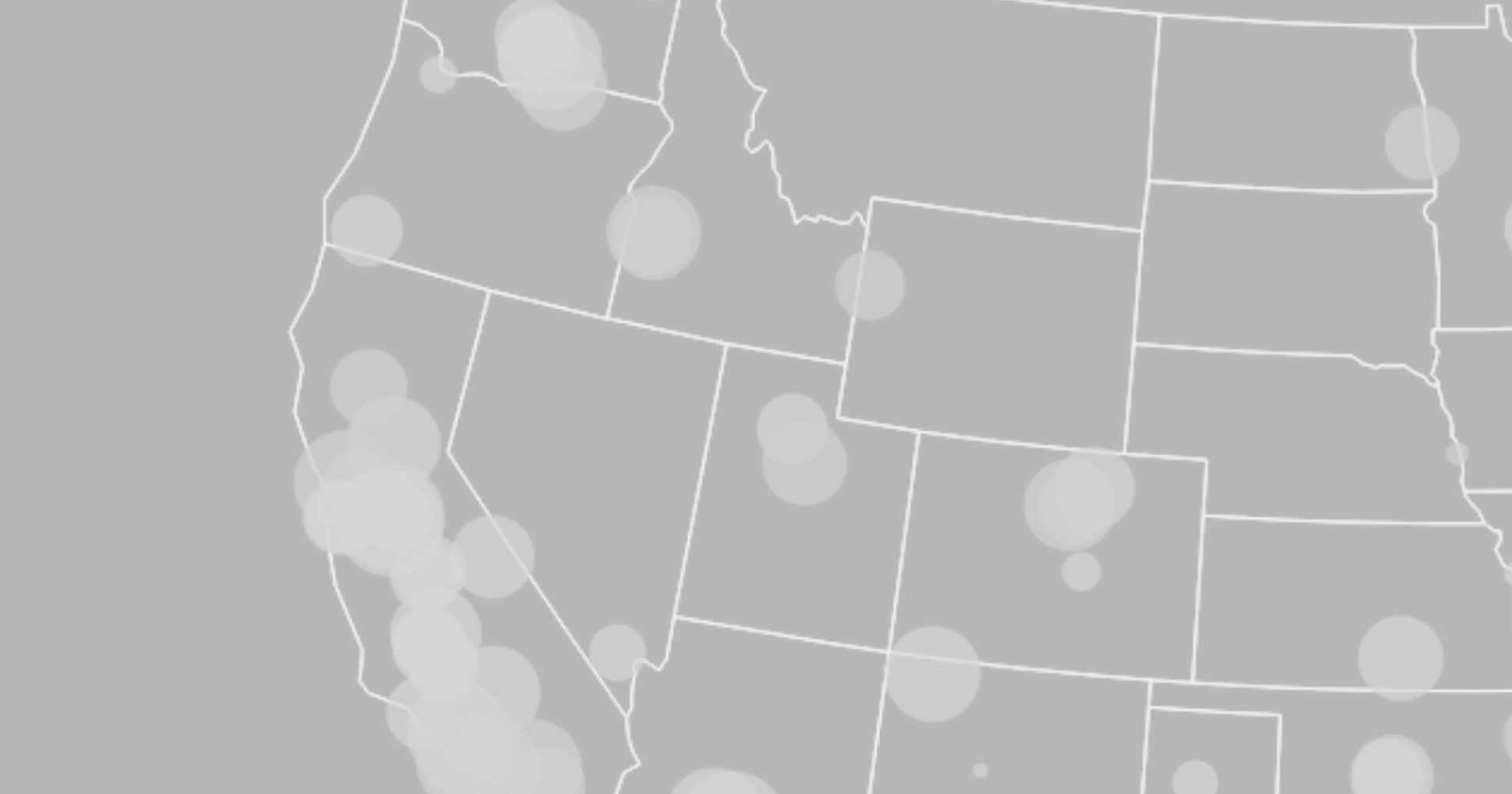
Boundary maps show you how risk shifts block by block so your team spots vulnerabilities other assessments miss.

Drill down to individual incident coordinates for the context your team needs to make confident security recommendations.

See where specific threat types cluster, giving your analysts a clear starting point for any site assessment.


Trusted by proactive security leaders
Base Operations improved our executive security posture by enabling us to proactively identify threats and adjust security measures in both existing, remodeled, or newly acquired residential properties for senior executives. Nearby residential high net worth burglaries and break ins could have been a wake-up call too late. Instead, it became an opportunity to demonstrate the value of data-driven security planning.


Street level intelligence for EP teams is an absolute game-changer. If you're not aware of what this is, the implications, and how this benefits large full scope enterprise teams as well as individual operators, you're behind the curve. I highly recommend folks in the EP space check out Base Operations. Over the last 5+ years, the level of data collected, ingested and analyzed is nothing short of extremely impressive.

Base Operations informs our strategic and routine security planning across the world. The unmatched granularity of micro-intelligence supports our supply chain security planning and dramatically improves our travel security guidance.

Quickly became our key risk evaluation tool for event, travel, and office security. New use cases developed weekly from real estate to leadership insights. Great platform!

In the past 5 days I haven’t closed Base Operations. I give It a 10 out of 10.